All Categories
Featured


Evaluating Traditional Against Sustainable Maintenance ROI
Table of Contents
Los Angeles landscapers are professionals in designing gardens that reflect personal design while likewise considering the regional climate. They utilize thoughtful garden style to develop an immersive experience with a selection of plants that grow in the region.
: Motivated to promote local biodiversity and ease of care.: Strategically chosen to develop year-round visual interest. From Zen-inspired serenity to dynamic, lavish arrangements, the goal is to create an unique and sustainable garden environment that matches the remainder of the landscape. When looking for landscaping services in Los Angeles, individuals often have concerns about costs, discovering reputable services, and what to anticipate throughout the landscaping procedure.
Landscape MaintenanceOn average, house owners might spend between $1,500 and $5,500 for a full landscaping job. Reviews for landscaping services in Los Angeles can be discovered on platforms such as Yelp, Angie's List, and Google My Company. Potential customers should look for in-depth evaluations that speak with the quality and reliability of the services rendered.
Elements such as the complexity of the work and the landscaper's experience can influence the rate. Budget-friendly landscaping services in Los Angeles can be sourced through local directories and neighborhood boards. One must think about services that stabilize cost with positive consumer feedback and a good portfolio of finished jobs. For a standard landscaping task in Los Angeles, one ought to anticipate expenses starting around $3,000 to $6,000, depending on the project's scale and the materials needed.
Adopting Water-Efficient Greenspace Across Los Angeles
Personal recommendations and assessment conferences can also supply insight into their dependability and work principles.
The Hydration Station Effort Program permits non-residential customers to install or refurbish openly available drinking water stations on homes with reimbursement chances for eligible candidates.
Just what is a "sustainable landscape" and how can you create your own? Basically, sustainable landscaping includes picking plants that are adapted to your environment and microclimate, and implementing environmentally sound upkeep practices.
Meeting 2026 Sustainability Standards for SoCal
Usually, Tucson gets 11" of rainfall a year. In such a xeric climate it is extremely crucial that our restricted water is utilized as efficiently as possible. That is why our # 1 objective is to create a "no run-off property." Every drop of water that falls on your website must remain on your website and be utilized to support your landscape objectives.
These basins gather, penetrate, and shop rainwater in the soil, where it can be accessed by our plants and utilized to develop healthier soil. Read more about our Tucson rainwater gathering services to find out how we can help you access this vast resource. Getting shade in the ideal location is important to the overall health and enjoyment of our landscapes.
Not to discuss they develop a shady, tranquil, and welcoming environment that draws us out of our homes and into our landscapes. And if all of that is inadequate, fully grown shade trees can increase the resale worth of your home by approximately 15%. Coupling our native trees with passive rainwater harvesting techniques makes sure sped up growth rates while lessening community water inputs.
That is why EcoSense creates landscapes that do not rely on supplemental watering once established. We accomplish this with cautious passive rainwater gathering planning and water budgeting to guarantee our landscapes can grow on regular rainfall alone. We also utilize durable succulents and targeted seed blends that do not need irrigation for establishment.
Landscape MaintenanceImplementing Drought-Resistant Landscaping in Orange County
Located near the Santa Monica Mountains in a garden-like setting, UCLA's landscape offers respite and connection, along with environment for campus wildlife, as highlighted in this UCLA Magazine piece: Pockets of Paradise on School. Recently we have actually transitioned ornamental grass areas to native and environment resistant plants, in addition to activating outside study spaces.
UCLA's Landscape Plan supports the Sustainability Strategy's water, landscape and biodiversity, and planetary health and human health areas. UCLA's efforts in taking an ecological approach to grounds maintenance and pest management were granted a Gold level Green Premises Accreditation by Re: wild Your Campus. In 2025, UCLA finished a complete tree stock and an Urban Forest Management Strategy to support much better long term care for UCLA's varied urban forest. The 2021 Sustainable LA Grand Challenge Environment Health Progress Report for Los Angeles County provides an extensive take a look at the region's efforts in approaching a more resistant environment and community for people and native wildlife. UCLA experts likewise serve on the City of LA Biodiversity Expert Council and contribute to establishing policies and metrics for the City of LA Biodiversity program.Sage Hill, situated in the northwest corner of school, is 3.4 acres of native California habitat that is home to a high diversity of flora and fauna consisting of 50 native greater plant species, 7 native mammal species, 17 butterflies types, and practically 30 resident and migratory bird types. Supervised by the Institute of Environment and Sustainability, Sage Hill functions as an outdoor learning area, supplying hands-on, meaningful mentor and undergraduate research study opportunities for students in all fields.

Latest Posts

Expanding Green Projects Across Los Angeles
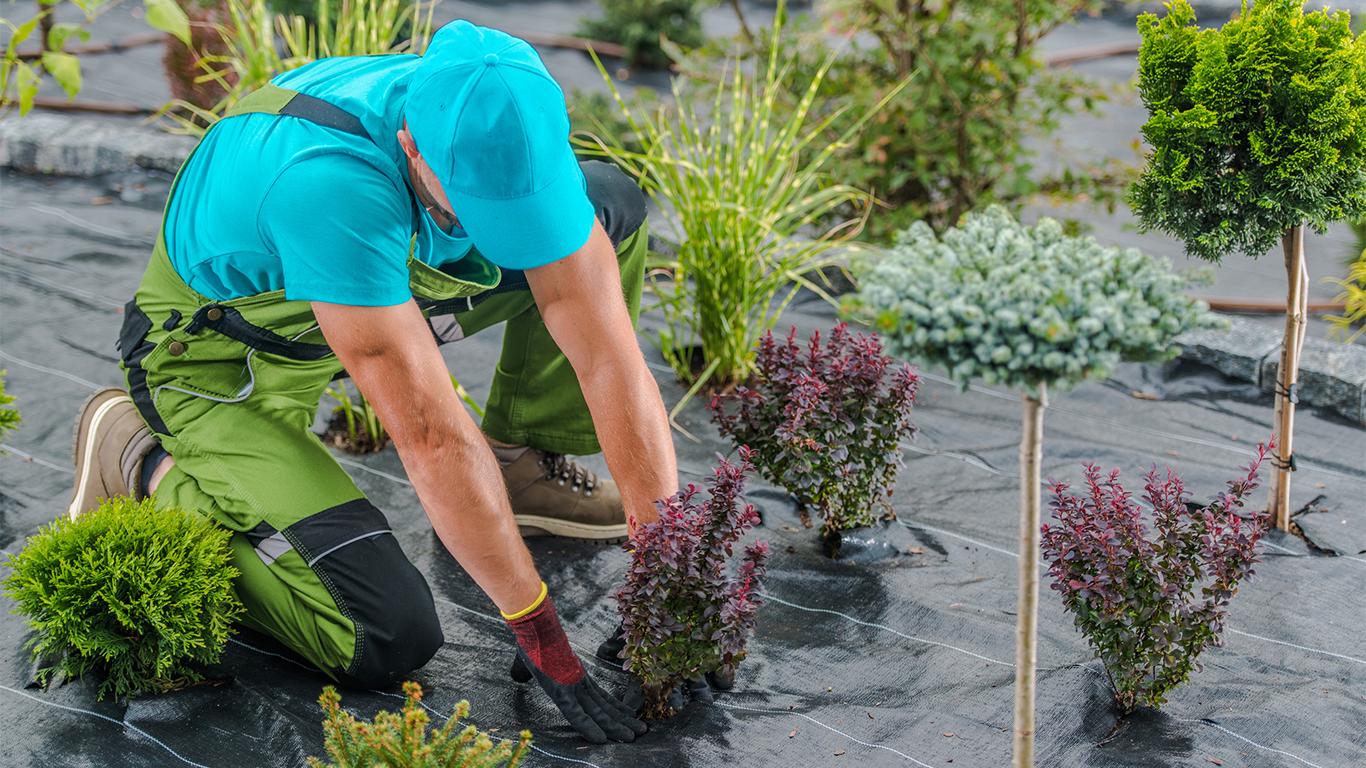
Securing Southern California Commercial Assets for Drought
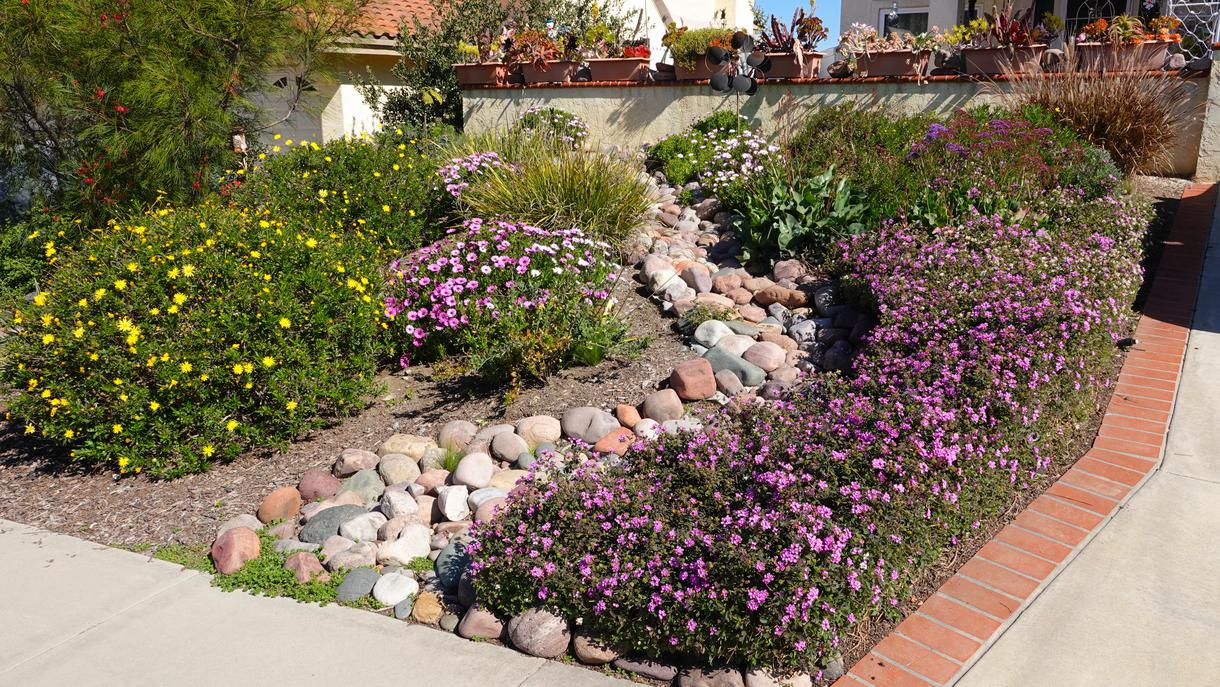
A Guide for Updating Existing Corporate Landscapes